
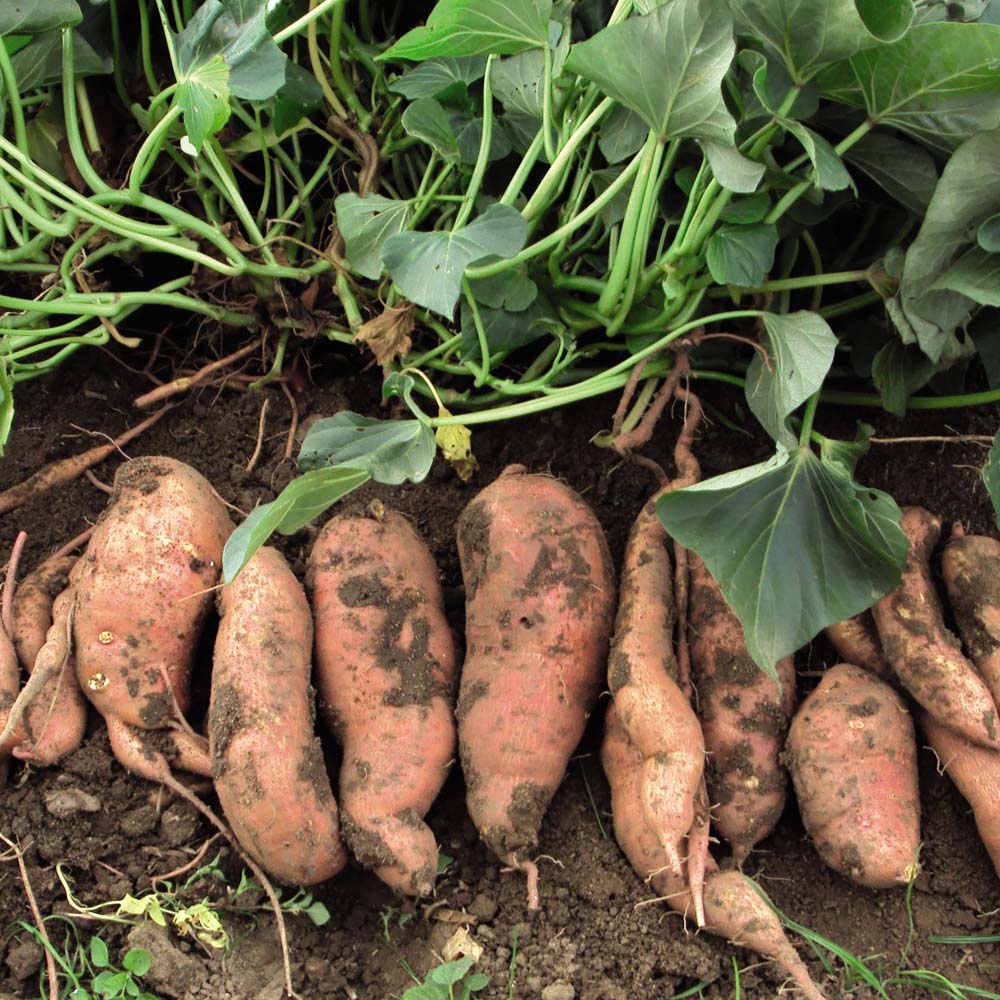
About $120 million worth of produce is grown in Mississippi, half of that in sweet potatoes. Yet $8.5 billion is spent on imported food, much of it low quality, processed food. However, 1.3 million acres of fertile farmland lie fallow, while the demand for fresh food far outstrips the supply. Mississippi ranks number one in the nation in hunger and obesity. 1 in 3 Mississippi women will die of heart disease. While unemployment is approximately 6 percent, the medical field is one of the largest employers in the area, focused mainly on addressing diet-related disease.
Fortunately, a collaborative of agencies and individuals has formed to address these issues. LIFT (Locally Invested Food Trade) is committed to providing Jackson residents a true opportunity to earn a living while living a healthy life. Farmers, landowners, social service agents, restauranteurs, culinary and health educators share ideas that will encompass youth involvement, soil conservation and mentorship. In the works are a food hub which will coordinate supply to make it economically viable for farmers. A “food innovation center” will house a grocery store front and food incubator kitchen, and act as a workforce training center in culinary education and hospitality. An onsite clinic, staffed by students in a Culinary Medicine program, will provide nutritional counseling to store customers and real life experience to the students.
“I have the audacity to believe that
peoples everywhere can have three meals a day for their bodies, education and
culture of their minds, and dignity, equality, and freedom for their spirits. “ This quote, from Dr. Martin Luther King Jr.’s
Nobel Peace Prize acceptance speak, is the final slide of my Kale Salad Show
Tour Power Point. Those of us who work
towards providing our neighbors with improved food access and affordability, gainful
employment, and a sustainable, viable economy and environment embody this. That
way, folks can be guaranteed that they’ll find fresh, beautiful food when they
stop off on their way home from work to “make groceries.”


